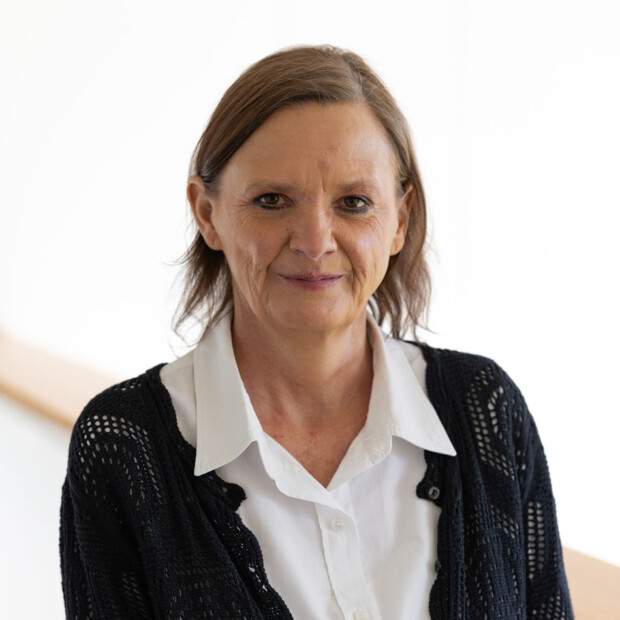
The ERA Chair FOODOMICS Project brings together leading departments of the University of Ljubljana and a network of distinguished research institutions and stakeholders across Slovenia. One of the experts in the field is Prof. Dr. Urška Vrhovšek, who plays a key role in advancing the research and innovation landscape in foodomics.
About Prof. Dr. Urška Vrhovšek
Prof. Dr. Urška Vrhovšek is the Head of the Metabolomics Unit at the Edmund Mach Foundation (FEM) in Italy, where she leads a team of 20 researchers. With over 25 years of experience in food chemistry and human nutrition, her research focuses on metabolomics, food composition (especially berries, apples, grapes, and wine), and polyphenol absorption in biological systems. She has developed and validated advanced analytical methods for both food and biological samples, directed state-of-the-art MS-based laboratories, and led numerous interdisciplinary research projects.
Prof. Vrhovšek is also a full Professor of Enology at the University of Ljubljana. She has mentored 11 postdoctoral researchers and over 20 graduate students. Her work is closely tied to innovations in food analytics, sustainable agricultural practices, and improving nutritional strategies. Her research contributes to a better understanding of how natural compounds, such as polyphenols found in fruits and wine, can have a positive impact on human health. Prof. Vrhovšek collaborates with top institutions across Europe, the USA, and Australia, establishing herself as a leading expert in her field.
She has received numerous accolades, including the prestigious title of Ambassador of Science of Slovenia, reflecting her significant impact on the scientific community. Prof. Vrhovšek has authored over 245 peer-reviewed articles, with an h-index of 59 and more than 10,000 citations. She is also an active member of various academic boards and expert panels and has participated in numerous EU and nationally funded projects.
Her research not only deepens our understanding of the biochemical processes in food but also opens new opportunities to improve dietary practices, promote sustainable farming, and develop new food products with positive health impacts.
“Metabolomics decodes the language of life written in the chemistry of food.“